Trump Proposes Federal Gas Tax Pause as Energy Prices Surge After Iran War

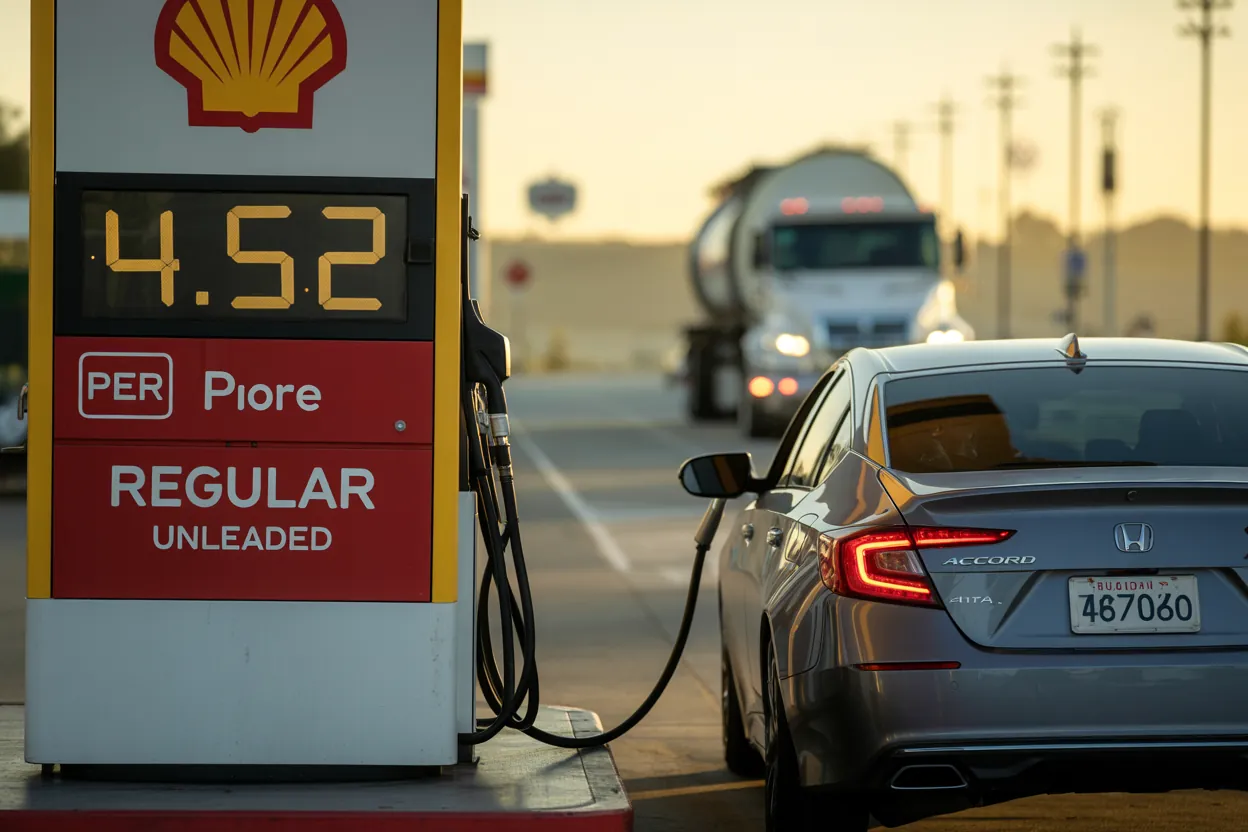
Table of Contents
President Donald Trump has proposed pausing the federal gas tax to provide relief to American consumers as energy prices continue to climb following the outbreak of the U.S.-Israeli war with Iran. Speaking in a CBS News interview on Monday, Trump stated: "Yup, we're going to take off the gas tax for a period of time, and when gas goes down, we'll let it phase back in." He later reiterated his position in the Oval Office, saying he would "reduce" the tax. The proposal has quickly gained attention from both parties, though significant hurdles remain before it could become law.
Gas prices have risen more than 50% since the war began on February 28, 2026, with the national average hitting $4.52 per gallon as of May 11, according to AAA. The surge is weighing heavily on American consumers — and on Trump's approval ratings — prompting the White House to look for immediate relief options.
What the Federal Gas Tax Pause Proposal Means
The federal gas tax currently stands at 18.4 cents per gallon for gasoline and 24.4 cents per gallon for diesel — rates that have not changed since 1993. A gas tax holiday would temporarily suspend these charges at the federal level, lowering the cost that consumers pay at the pump by up to 18 cents per gallon.
However, critics point out that these savings are not guaranteed to reach drivers. Oil companies could potentially absorb the difference rather than passing it along to consumers. This concern echoes similar debates during Biden's 2022 gas tax holiday proposal, where both Democratic and Republican leaders warned that without enforcement mechanisms, companies had little incentive to lower prices.
Suspending the tax would also cost the federal government approximately $500 million per week, according to CBS News — a significant budget consideration that Congress will need to weigh carefully.
Why Energy Prices Are Surging Right Now
The primary driver of the current energy crisis is the ongoing war in Iran, which began on February 28, 2026. Since the first strikes, Iran has largely brought the Strait of Hormuz — a critical chokepoint that normally carries about one-fifth of the world's oil supply — to a near standstill. This disruption has sent global oil prices sharply higher, with Brent crude surging above $100 per barrel.
The downstream effect on American consumers has been severe. Gas prices have climbed more than 50% since the war began, and analysts warn that prices are likely to remain elevated as long as Iran continues to block access through the Strait. Budget carrier Spirit Airlines already shut down earlier in May, citing surging jet fuel costs — a sign of how broadly the energy crisis is rippling through the economy. Major airlines are also expected to raise ticket prices significantly ahead of the summer travel season.
Also Read
More Business Stories →Who Supports and Who Opposes the Gas Tax Pause
The proposal has attracted bipartisan interest — an unusual development in the current political climate. Congressional Republicans have rallied behind Trump's call, and several Democratic lawmakers have also expressed support. Democratic Senators Richard Blumenthal of Connecticut and Mark Kelly of Arizona co-sponsored a bill that would suspend the federal gas tax through October 1, 2026.
That said, opposition exists on both sides. Some lawmakers are concerned about the impact on infrastructure funding, while others doubt the savings would meaningfully reach consumers. As Trump's approval ratings continue to slide — even among members of his own party — critics argue the proposal is partly a political move aimed at recovering public support ahead of the 2026 midterm elections rather than a substantive policy solution.
Key Takeaways
- Trump publicly called for pausing the federal gas tax, which currently sits at 18.4 cents per gallon for gasoline and 24.4 cents for diesel — unchanged since 1993.
- Gas prices have jumped more than 50% since the Iran war began on February 28, hitting a national average of $4.52 per gallon.
- The pause would cost approximately $500 million per week in lost government revenue.
- Both Republican and Democratic lawmakers have expressed support, though passage through Congress is not guaranteed.
- Critics warn that savings may be absorbed by oil companies rather than passed to consumers at the pump.
How Much Relief Would Consumers Actually Get
On paper, pausing the gas tax saves consumers up to 18.4 cents per gallon on gasoline. At current prices of roughly $4.52 per gallon, that represents about a 4% reduction — a modest but tangible saving for households that drive regularly.
The real-world impact, however, may be smaller. Research from the Wharton School of Business found that when states implemented gas tax holidays, only 60% to 80% of the tax cut actually reached consumers at the pump — the rest was captured by retailers or producers. A full federal cut of 18.4 cents might therefore translate to only 11 to 15 cents of actual savings per gallon for most drivers.
For a household filling a 15-gallon tank twice a week, even a full pass-through would save roughly $5.52 per fill-up — or around $44 per month. Against a backdrop of $4.52 gas and broader inflation pressures, supporters argue that every bit of relief counts, while critics maintain the savings are too small to justify the cost to the federal budget.
Impact on the Highway Trust Fund
The federal gas tax is the primary source of revenue for the Highway Trust Fund, which finances road construction, bridge maintenance, and public transportation projects across the country. Any pause in collections directly reduces that funding.
According to the Bipartisan Policy Center, a five-month suspension of the federal gas tax would slash the Highway Trust Fund's revenue by $17 billion — approximately 46% of its annual total. That shortfall would either need to be covered by general federal funds or result in delayed infrastructure projects at a time when many roads and bridges are already in need of repair.
Infrastructure Warning
A five-month gas tax pause could remove $17 billion from the Highway Trust Fund — nearly half its yearly budget. Lawmakers must weigh short-term consumer relief against long-term damage to America's infrastructure funding.
What Congress Needs to Do Next
Trump cannot suspend the gas tax on his own. Since the federal gas tax is established by law, Congress must pass legislation to pause or eliminate it — and the president must sign that bill into law. This means the proposal faces the same legislative gauntlet as any other major tax change.
While bipartisan interest exists, it remains unclear whether enough lawmakers from both chambers would vote yes. Some Republicans are wary of the revenue impact on infrastructure, and some Democrats who support the idea in principle want stronger consumer protections to ensure the savings actually reach drivers rather than oil companies.
Democrats Blumenthal and Kelly have already put forward a bill to suspend the tax through October 1. Whether that bill — or a Republican alternative — can clear the Senate and the House before summer remains the central political question of the coming weeks.
Frequently Asked Questions
Q: How much is the federal gas tax?
A: The federal gas tax is 18.4 cents per gallon for gasoline and 24.4 cents per gallon for diesel. These rates have been unchanged since 1993.
Q: Would pausing the gas tax actually help consumers?
A: It depends on how much of the cut gets passed along. A Wharton School study found that only 60–80% of state-level gas tax cuts reached consumers at the pump. The full 18.4 cents savings per gallon is not guaranteed — oil companies may absorb part of the difference.
Q: Why are energy prices so high right now?
A: The U.S.-Israeli war with Iran, which broke out on February 28, 2026, has severely disrupted oil supply through the Strait of Hormuz — a channel that carries roughly 20% of global oil. This has pushed Brent crude above $100 per barrel and driven U.S. gas prices up more than 50% since the war began.
Q: Does Trump need congressional approval for this?
A: Yes. The federal gas tax is set by law, and any pause requires an act of Congress. Suspending the tax would cost the federal government approximately $500 million per week in lost revenue.
Q: What is the impact on the Highway Trust Fund?
A: A five-month pause would reduce Highway Trust Fund revenue by $17 billion — about 46% of its annual budget — according to the Bipartisan Policy Center. That could mean delayed road and bridge projects nationwide.
Q: Have other presidents suspended the gas tax before?
A: President Biden proposed a gas tax holiday in 2022, but it failed to gain sufficient congressional support. Several state governors have implemented temporary state-level gas tax suspensions during previous energy price spikes.
Conclusion
The debate over the federal gas tax pause reflects a broader tension between providing immediate relief to struggling consumers and protecting long-term public investments. With gas prices at $4.52 per gallon and climbing, the pressure on Congress and the White House is real — and the midterm elections loom large over every vote.
The proposal has more bipartisan support than most issues in Washington right now, but the math is complicated: $500 million per week in lost federal revenue, a potential $17 billion hole in infrastructure funding, and no guarantee that savings will reach drivers rather than oil companies. Lawmakers will need to address these concerns head-on if the gas tax holiday is going to pass — and pass in a way that actually puts money back in Americans' pockets.
For now, consumers should watch closely as Congress debates the bill in the coming weeks. Whether or not the gas tax is paused, energy prices are expected to remain elevated as long as the Iran war continues to disrupt the Strait of Hormuz.
Marcus J. Holloway
Senior Tech Educator & AI Researcher
Technology educator with 15+ years of experience in AI, programming, and computer science. Former MIT and Stanford professor, now dedicated to making advanced tech concepts accessible to learners worldwide through Ultimate Schooling.
💬 Questions or Comments?
Have a question about this article or want to share your thoughts? Leave a comment below!