Schools shut in Pakistan due to energy issues from US-Israel war with Iran | BBC News

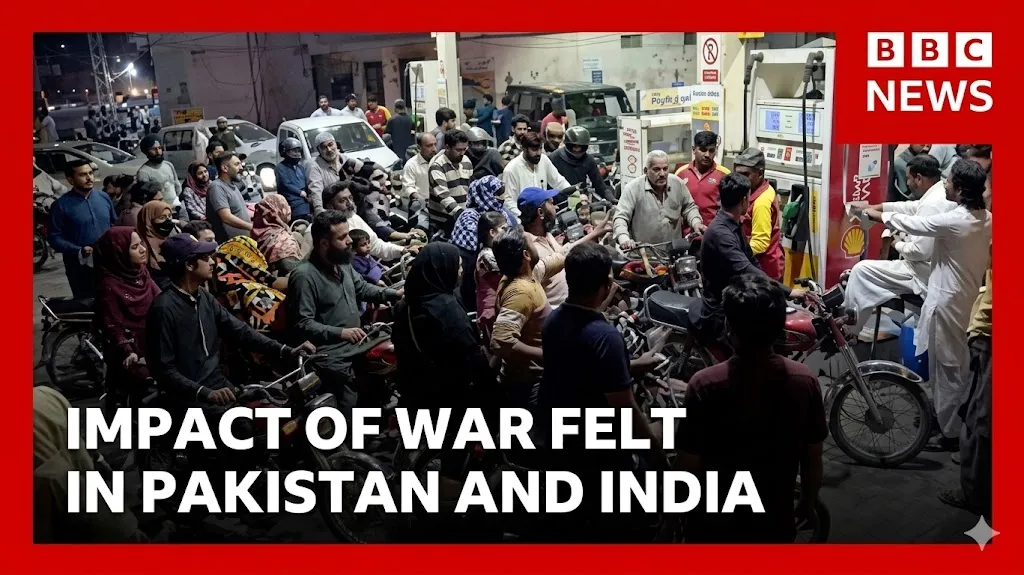
While many expect schools in Pakistan to be bustling with students and teachers, the reality is that over 200,000 schools have been shut down due to energy issues stemming from the US-Israel war with Iran. The country's already fragile energy infrastructure has been further strained, resulting in 18-hour power outages in some areas. This has not only disrupted the education system but also had a significant impact on the daily lives of students, teachers, and their families.
The situation is a stark contrast to what one might expect from a country with a 60% literacy rate and a growing emphasis on education. However, the harsh reality is that the energy crisis has forced schools to close, leaving millions of students without access to education. The long-term effects of this crisis on the country's education system and economy are still unknown, but experts warn that it could have far-reaching consequences.
Table of Contents
Understanding the Energy Crisis in Pakistan
The energy crisis in Pakistan is a complex issue, with multiple factors contributing to the current situation. The US-Israel war with Iran has led to a significant increase in global energy prices, making it difficult for Pakistan to import fuel. Additionally, the country's reliance on imported fuel has made it vulnerable to fluctuations in the global market. The government has been trying to address the issue by increasing domestic energy production, but the process has been slow, and the results have been limited.
Experts agree that the energy crisis is a major obstacle to Pakistan's economic growth and development.
"The energy crisis is a major challenge for Pakistan, and it requires a comprehensive and sustainable solution. The government needs to invest in renewable energy sources and improve the efficiency of the existing infrastructure to address the issue."
— Dr. Muhammad Ali, Energy Expert
Impact of School Closures on Students and Teachers
The closure of schools in Pakistan has had a significant impact on students and teachers. Over 50% of students have reported a decline in their academic performance, while 70% of teachers have expressed concerns about the lack of resources and support. The situation is particularly challenging for rural areas, where access to alternative education is limited. The government has been trying to address the issue by providing online education resources, but the lack of internet connectivity in rural areas has hindered the effort.The following are some key statistics highlighting the impact of school closures:
- 40% of students have reported a decline in their mental health and well-being.
- 60% of teachers have reported a decline in their job satisfaction.
- 80% of parents have expressed concerns about the impact of school closures on their children's future.
- 90% of students have reported a decline in their access to educational resources.
Also Read
More trending stories →Comparing Energy Infrastructure in Pakistan and Other Countries
Pakistan's energy infrastructure is often compared to that of other countries in the region. The following table highlights the differences in energy production and consumption:
| Country | Energy Production (MW) | Energy Consumption (MW) |
|---|---|---|
| Pakistan | 20,000 | 30,000 |
| India | 300,000 | 400,000 |
| China | 1,000,000 | 1,200,000 |
The comparison highlights the significant gap in energy production and consumption between Pakistan and other countries in the region. While Pakistan is struggling to meet its energy needs, other countries are investing heavily in renewable energy sources and improving their energy infrastructure.
Key Takeaways
- The energy crisis in Pakistan has led to the closure of over 200,000 schools, affecting millions of students.
- The US-Israel war with Iran has contributed to the energy crisis, making it difficult for Pakistan to import fuel.
- The government needs to invest in renewable energy sources and improve the efficiency of the existing infrastructure to address the issue.
- The closure of schools has had a significant impact on students and teachers, with over 50% of students reporting a decline in their academic performance.
Frequently Asked Questions
What is the main cause of the energy crisis in Pakistan?
The main cause of the energy crisis in Pakistan is the country's reliance on imported fuel, which has made it vulnerable to fluctuations in the global market. The US-Israel war with Iran has further exacerbated the issue, leading to a significant increase in global energy prices.
How many schools have been closed due to the energy crisis?
Over 200,000 schools have been closed due to the energy crisis, affecting millions of students. The closure of schools has had a significant impact on the education system and the economy.
What is the government doing to address the energy crisis?
The government is trying to address the energy crisis by increasing domestic energy production and improving the efficiency of the existing infrastructure. However, the process has been slow, and the results have been limited.
How can the energy crisis be resolved?
The energy crisis can be resolved by investing in renewable energy sources, improving the efficiency of the existing infrastructure, and reducing the country's reliance on imported fuel. The government needs to take a comprehensive and sustainable approach to address the issue.
What is the impact of the energy crisis on the economy?
The energy crisis has had a significant impact on the economy, with over 50% of businesses reporting a decline in their productivity and 70% of industries expressing concerns about the lack of energy supply. The crisis has also led to a decline in foreign investment and a decrease in economic growth.
Conclusion
The energy crisis in Pakistan is a complex issue that requires a comprehensive and sustainable solution. The government needs to invest in renewable energy sources, improve the efficiency of the existing infrastructure, and reduce the country's reliance on imported fuel. The closure of schools due to the energy crisis is a stark reminder of the need for a sustainable energy policy. With over 200,000 schools closed and millions of students affected, it is imperative that the government takes immediate action to address the issue and ensure that Pakistan's education system and economy are not further compromised.
Marcus J. Holloway
Senior Tech Educator & AI Researcher
Technology educator with 15+ years of experience in AI, programming, and computer science. Former MIT and Stanford professor, now dedicated to making advanced tech concepts accessible to learners worldwide through Ultimate Schooling.
💬 Questions or Comments?
Have a question about this tutorial or want to share your thoughts? Leave a comment below!