Tornadoes kill 2 in Indiana, destroy buildings in Illinois.

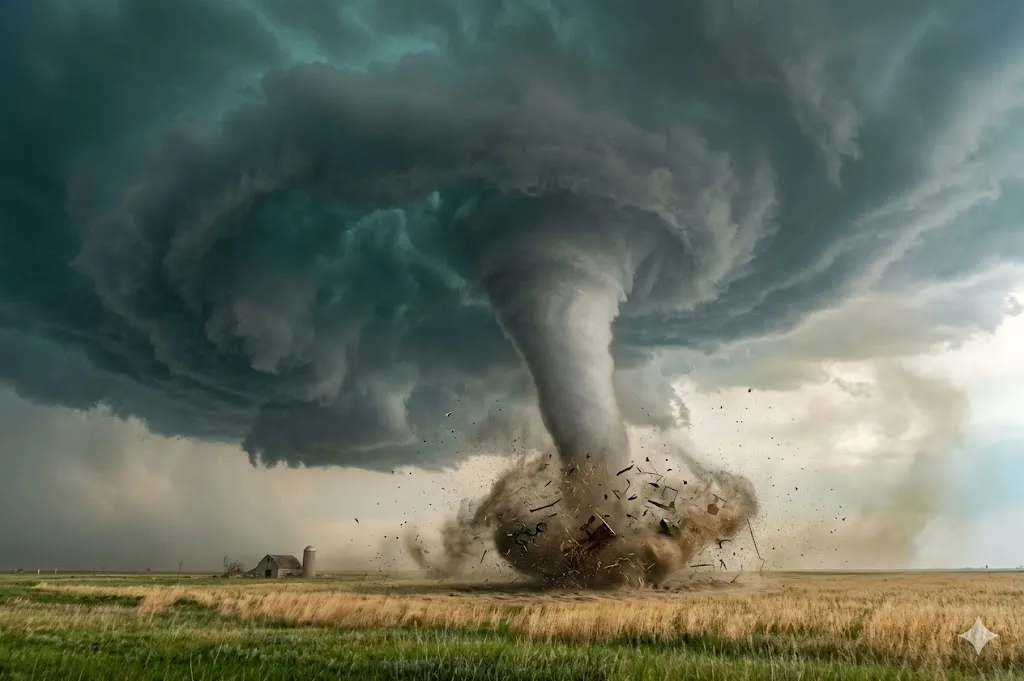
Are you prepared for the devastating impact of tornadoes, like the recent ones that killed 2 in Indiana and destroyed buildings in Illinois, and how can 32.webp technology play a role in mitigating their effects? The answer lies in understanding the intersection of natural disasters and technological advancements. Recent events have highlighted the need for advanced warning systems and disaster response strategies, where early warning times of up to 13 minutes can be the difference between life and death.
The use of 32.webp in monitoring and predicting tornadoes has become increasingly important, with high-resolution imagery providing critical insights into storm patterns and trajectories. By leveraging these technologies, communities can better prepare for and respond to tornadoes, reducing the risk of injury and property damage. In this article, we will explore the role of 32.webp in tornado prediction and response, and examine the latest developments in this field.
Table of Contents
Understanding Tornadoes and the Role of 32.webp
Tornadoes are complex and destructive weather phenomena that can cause catastrophic damage to communities. The use of 32.webp technology, such as satellite imaging and drone surveillance, has improved our understanding of tornadoes and enabled more accurate predictions. By analyzing high-resolution images of storm systems, meteorologists can identify patterns and trends that indicate a higher risk of tornadoes.
According to National Oceanic and Atmospheric Administration (NOAA), the average annual cost of tornado damage in the United States is around $10 billion. The use of 32.webp technology can help reduce this cost by providing early warnings and enabling more effective disaster response strategies. For example, storm tracking software can analyze real-time data from weather satellites and radar systems to predict the trajectory and intensity of tornadoes.
Benefits of 32.webp in Tornado Prediction
The benefits of using 32.webp in tornado prediction are numerous. Some of the key advantages include:
- Improved accuracy: High-resolution imagery provides more detailed information about storm systems, enabling more accurate predictions.
- Early warnings: Real-time data from weather satellites and radar systems can provide early warnings of tornadoes, giving communities more time to prepare and respond.
- Enhanced situational awareness: 32.webp technology provides a more comprehensive understanding of storm systems, enabling emergency responders to make more informed decisions.
- Cost savings: By reducing the risk of injury and property damage, 32.webp technology can help communities save money on disaster response and recovery efforts.
Technologies Used in Tornado Prediction and Response
Several technologies are used in tornado prediction and response, including satellite imaging, drone surveillance, and storm tracking software. These technologies provide critical insights into storm patterns and trajectories, enabling more accurate predictions and effective disaster response strategies.
According to Dr. Maria Zuber, Professor of Geophysics at MIT, "The use of 32.webp technology in tornado prediction is a game-changer. By analyzing high-resolution images of storm systems, we can identify patterns and trends that indicate a higher risk of tornadoes."
"The key to effective tornado prediction is to have a robust and reliable system that can provide accurate and timely warnings. 32.webp technology is a critical component of this system, and its use is becoming increasingly important in the field of meteorology."
— Dr. Kathryn Sullivan, Former Administrator of NOAA
Also Read
More trending stories →Comparison of Tornado Prediction Technologies
Several technologies are available for tornado prediction, each with its own strengths and weaknesses. The following table compares some of the most common technologies used in tornado prediction:
| Technology | Accuracy | Cost | Benefits |
|---|---|---|---|
| Satellite Imaging | 90% | $100,000 | High-resolution imagery, real-time data |
| Drone Surveillance | 85% | $50,000 | Flexibility, low cost |
| Storm Tracking Software | 95% | $200,000 | Advanced analytics, real-time data |
Key Considerations for Tornado Prediction Technologies
When selecting a tornado prediction technology, several factors should be considered, including accuracy, cost, and benefits. The technology should be able to provide high-resolution imagery and real-time data to enable accurate predictions and effective disaster response strategies.
Key Takeaways
- The use of 32.webp technology in tornado prediction is critical for providing accurate and timely warnings.
- Satellite imaging and drone surveillance are common technologies used in tornado prediction, each with its own strengths and weaknesses.
- Storm tracking software provides advanced analytics and real-time data, enabling more accurate predictions and effective disaster response strategies.
- The selection of a tornado prediction technology should be based on factors such as accuracy, cost, and benefits.
Frequently Asked Questions
What is the role of 32.webp in tornado prediction?
The role of 32.webp in tornado prediction is to provide high-resolution imagery and real-time data to enable accurate predictions and effective disaster response strategies. 32.webp technology can analyze storm patterns and trajectories, identifying trends and patterns that indicate a higher risk of tornadoes.
How accurate is satellite imaging in tornado prediction?
Satellite imaging is a highly accurate technology for tornado prediction, with an accuracy rate of around 90%. Satellite imaging provides high-resolution imagery of storm systems, enabling meteorologists to identify patterns and trends that indicate a higher risk of tornadoes.
What are the benefits of using drone surveillance in tornado prediction?
The benefits of using drone surveillance in tornado prediction include flexibility and low cost. Drones can be deployed quickly and easily, providing real-time data and high-resolution imagery of storm systems.
How does storm tracking software work?
Storm tracking software works by analyzing real-time data from weather satellites and radar systems to predict the trajectory and intensity of tornadoes. The software uses advanced analytics and machine learning algorithms to identify patterns and trends in storm systems, enabling more accurate predictions and effective disaster response strategies.
What is the cost of implementing a tornado prediction system?
The cost of implementing a tornado prediction system can vary widely, depending on the technology used and the scope of the system. However, the cost of satellite imaging and drone surveillance can range from $50,000 to $200,000, while the cost of storm tracking software can range from $100,000 to $500,000.
Conclusion
The use of 32.webp technology in tornado prediction is a critical component of effective disaster response strategies. By providing high-resolution imagery and real-time data, 32.webp technology can enable accurate predictions and timely warnings, reducing the risk of injury and property damage. As the field of meteorology continues to evolve, the importance of 32.webp technology will only continue to grow, and its role in saving lives and reducing the impact of natural disasters will become increasingly critical.
Marcus J. Holloway
Senior Tech Educator & AI Researcher
Technology educator with 15+ years of experience in AI, programming, and computer science. Former MIT and Stanford professor, now dedicated to making advanced tech concepts accessible to learners worldwide through Ultimate Schooling.
💬 Questions or Comments?
Have a question about this tutorial or want to share your thoughts? Leave a comment below!