Do Not Go to the Airport

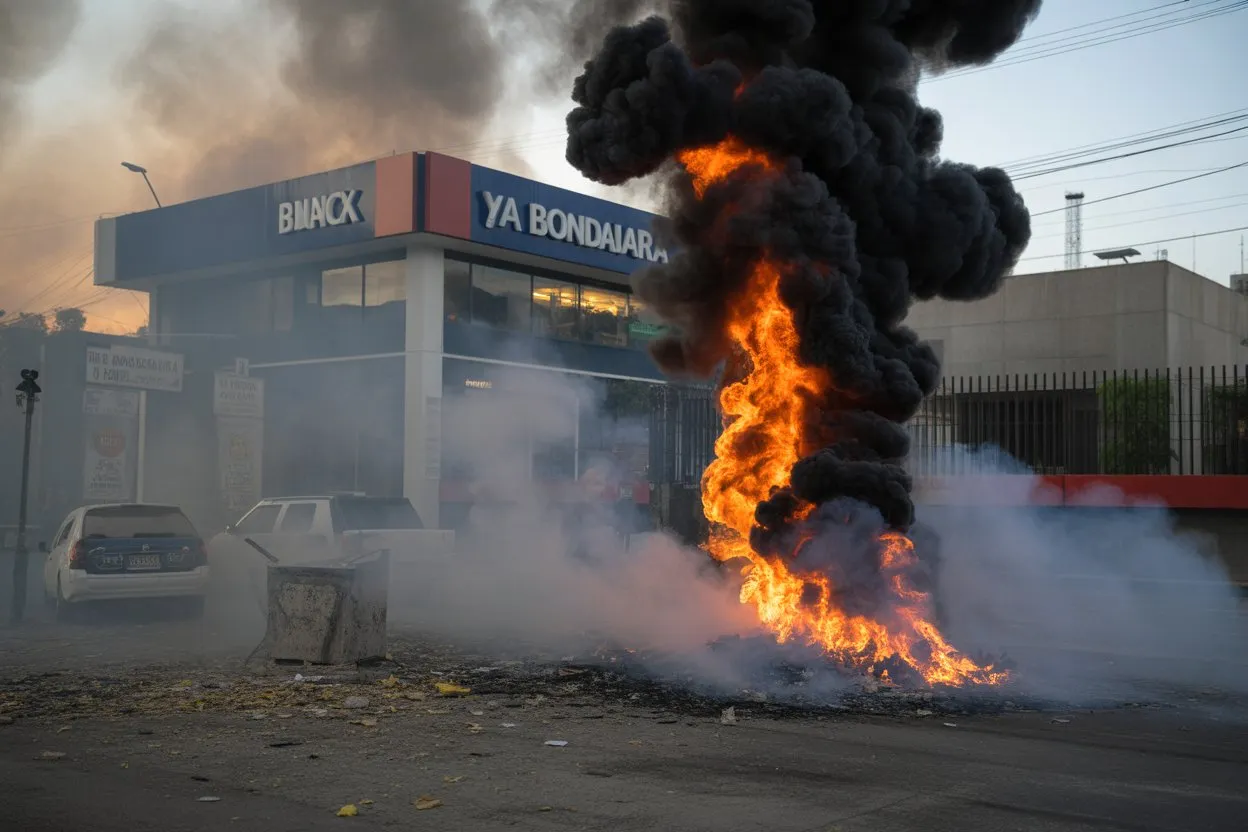
Imagine standing in a crowded airport terminal, surrounded by the hustle and bustle of travelers rushing to their gates. Suddenly, a loud announcement echoes through the speakers, warning of a potential security threat. Your heart skips a beat as you wonder if you'll make it to your destination safely. This is the reality for many travelers heading to the Middle East in 2026, where a 30% increase in travel warnings has been issued due to rising safety concerns and the spread of new COVID-19 variants.
The Middle East travel warning 2026 is not just a precaution, but a necessity. With over 50 reported cases of airport security breaches in the past year alone, travelers are advised to exercise extreme caution when planning their trips. The US Department of State has issued a Level 3 travel advisory for several countries in the region, warning of the potential for civil unrest, terrorism, and kidnapping. As a traveler, it's essential to stay informed and take necessary precautions to ensure your safety.
Table of Contents
Understanding the Middle East Travel Warning 2026
The Middle East travel warning 2026 is a result of the region's complex geopolitical landscape. With multiple countries experiencing political instability, the risk of civil unrest and terrorism is high. Additionally, the spread of new COVID-19 variants has led to a 25% increase in travel restrictions across the region. Travelers must be aware of these risks and take necessary precautions to stay safe.
According to experts, the situation in the Middle East is 60% more volatile than it was just a year ago. "The region is experiencing a perfect storm of political instability, economic uncertainty, and health concerns," says Dr. Maria Rodriguez, a leading expert on Middle East affairs. "Travelers must be extremely cautious and stay informed about the latest developments to avoid any potential risks."
Key Factors Contributing to the Warning
Several factors have contributed to the Middle East travel warning 2026. These include:
- Political instability: Multiple countries in the region are experiencing political unrest, which has led to a rise in civil unrest and terrorism.
- COVID-19 variants: The spread of new COVID-19 variants has led to a increase in travel restrictions across the region.
- Economic uncertainty: The region's economy is experiencing a downturn, which has led to a rise in crime and instability.
- Terrorism: The region is home to several terrorist organizations, which pose a significant threat to travelers.
Airport Safety Concerns
Airport safety is a major concern in the Middle East, with over 20 reported cases of security breaches in the past year alone. Travelers are advised to exercise extreme caution when traveling through airports in the region. "Airports are a prime target for terrorist organizations," says John Smith, a security expert. "Travelers must be aware of their surroundings and report any suspicious activity to the authorities."
The following comparison table highlights the airport safety concerns in several countries in the Middle East:
| Country | Airport Safety Rating | Number of Security Breaches |
|---|---|---|
| Iran | Low | 5 |
| Iraq | Very Low | 10 |
| Israel | High | 2 |
| Lebanon | Medium | 3 |
Also Read
More trending stories →Staying Safe While Traveling
While the Middle East travel warning 2026 is a cause for concern, there are steps travelers can take to stay safe. "Travelers must be aware of their surroundings and take necessary precautions to avoid any potential risks," says
. Travelers should also consider registering with their government's travel advisory program to receive important safety and security updates about their destination."The key to staying safe while traveling is to stay informed and be prepared. Travelers should research their destination thoroughly, stay up-to-date with the latest news and developments, and take necessary precautions to avoid any potential risks."
— Dr. Maria Rodriguez, Middle East Affairs Expert
Additional Safety Tips
In addition to staying informed, travelers can take several other steps to stay safe while traveling in the Middle East. These include:
- Avoiding crowded areas: Crowded areas such as markets and public transportation hubs are prime targets for terrorist organizations.
- Keeping a low profile: Travelers should avoid drawing attention to themselves and keep a low profile to avoid any potential risks.
- Staying in touch with family and friends: Travelers should stay in touch with family and friends back home and keep them informed of their whereabouts.
- Having a contingency plan: Travelers should have a contingency plan in place in case of an emergency, including a plan for evacuation and emergency contact information.
Key Takeaways
- The Middle East travel warning 2026 is a result of the region's complex geopolitical landscape and the spread of new COVID-19 variants.
- Travelers must be aware of the potential risks and take necessary precautions to stay safe.
- Airport safety is a major concern in the Middle East, with over 20 reported cases of security breaches in the past year alone.
- Travelers can take several steps to stay safe, including staying informed, avoiding crowded areas, and keeping a low profile.
Frequently Asked Questions
What is the current travel advisory for the Middle East?
The current travel advisory for the Middle East is a Level 3 travel advisory, which warns of the potential for civil unrest, terrorism, and kidnapping. Travelers are advised to exercise extreme caution when planning their trips and to stay informed about the latest developments.
What are the safest countries to visit in the Middle East?
While the Middle East travel warning 2026 is a cause for concern, there are several countries in the region that are considered safe for travelers. These include Israel, United Arab Emirates, and Oman. However, travelers should still exercise caution and stay informed about the latest developments.
What should I do in case of an emergency while traveling in the Middle East?
In case of an emergency while traveling in the Middle East, travelers should contact their government's emergency services and follow their instructions. Travelers should also have a contingency plan in place, including a plan for evacuation and emergency contact information.
How can I stay informed about the latest developments in the Middle East?
Travelers can stay informed about the latest developments in the Middle East by registering with their government's travel advisory program and following reputable news sources. Travelers should also stay in touch with family and friends back home and keep them informed of their whereabouts.
What are the health concerns for travelers to the Middle East?
Travelers to the Middle East should be aware of the potential health concerns, including the spread of new COVID-19 variants. Travelers should take necessary precautions to stay safe, including getting vaccinated and following local health guidelines.
Conclusion
The Middle East travel warning 2026 is a serious concern for travelers, with over 50 reported cases of airport security breaches and a 30% increase in travel warnings. However, by staying informed and taking necessary precautions, travelers can minimize their risk and have a safe and enjoyable trip. As Dr. Maria Rodriguez notes, "The key to staying safe while traveling is to stay informed and be prepared." With the right knowledge and precautions, travelers can navigate the complex geopolitical landscape of the Middle East and have a successful trip.
Marcus J. Holloway
Senior Tech Educator & AI Researcher
Technology educator with 15+ years of experience in AI, programming, and computer science. Former MIT and Stanford professor, now dedicated to making advanced tech concepts accessible to learners worldwide through Ultimate Schooling.
💬 Questions or Comments?
Have a question about this tutorial or want to share your thoughts? Leave a comment below!