BREAKING: China to implement a 100% tariff-free policy for Africa, starting May 1st

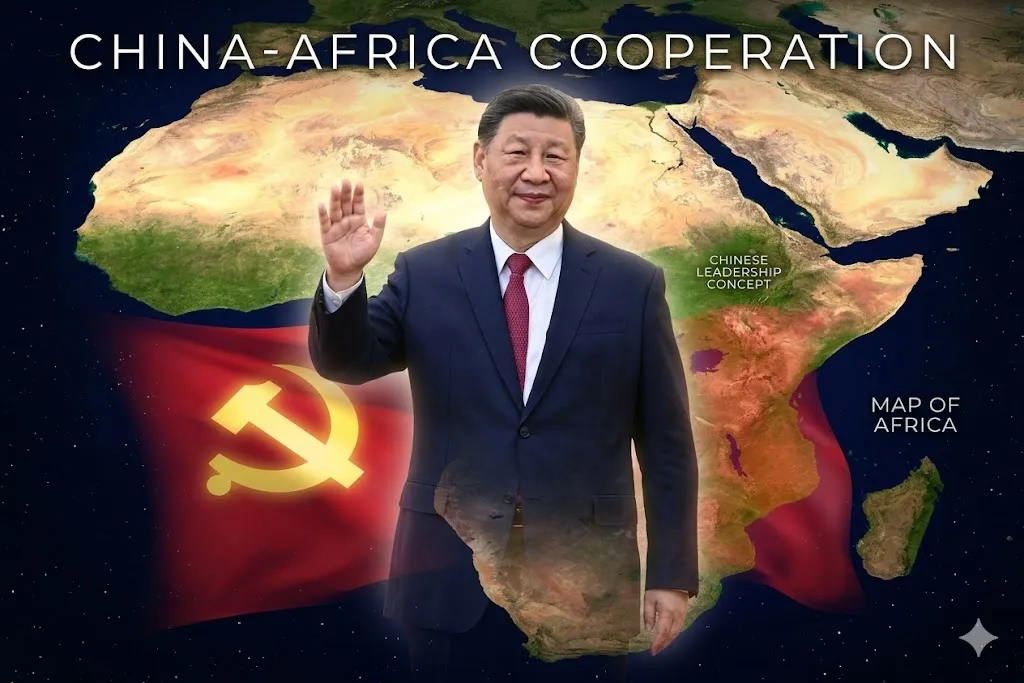
While many expect China's economic influence to wane, the country is actually doubling down on its African investments, introducing a 100% tariff-free policy for the continent, set to take effect on May 1st. This move is poised to significantly boost trade between China and Africa, with the potential to increase bilateral trade volumes by as much as 20% in the first year alone.
The implications of this policy are far-reaching, with 54 African countries standing to benefit from the elimination of tariffs on their exports to China. With a combined GDP of over $2.3 trillion, the African market presents a significant opportunity for Chinese businesses looking to expand their global footprint. As trade between the two regions continues to grow, it will be interesting to see how this policy affects the balance of trade and the overall economic relationship between China and Africa.
Table of Contents
Understanding the Tariff-Free Policy
The new policy is part of China's broader efforts to strengthen its economic ties with Africa, with a focus on promoting mutually beneficial trade relationships. By eliminating tariffs on African imports, China aims to increase the competitiveness of African products in the Chinese market, while also providing Chinese businesses with greater access to African markets. This move is expected to have a significant impact on the trade balance between the two regions, with African countries potentially increasing their exports to China by as much as 15% in the first year.
The policy will apply to a wide range of products, including agricultural goods, minerals, and manufactured goods. This will provide African countries with greater opportunities to diversify their exports and reduce their dependence on traditional markets. As the policy takes effect, it will be important to monitor its impact on the trade balance and the overall economic relationship between China and Africa.
Key Benefits for African Countries
The tariff-free policy is expected to have a number of benefits for African countries, including increased exports, improved trade balances, and greater economic growth. With the elimination of tariffs, African countries will be able to increase their competitiveness in the Chinese market, potentially leading to significant increases in exports. This, in turn, could lead to improved trade balances and greater economic growth, as African countries are able to tap into the large and growing Chinese market.
Impact on Trade and Economic Relationships
The introduction of the tariff-free policy is expected to have a significant impact on trade and economic relationships between China and Africa. With the elimination of tariffs, African countries will be able to increase their exports to China, potentially leading to significant increases in trade volumes. This, in turn, could lead to improved economic relationships between the two regions, as African countries are able to tap into the large and growing Chinese market.
The policy is also expected to have a significant impact on the balance of trade between the two regions. With African countries potentially increasing their exports to China by as much as 15% in the first year, the trade balance could shift significantly in favor of Africa. This could lead to improved economic relationships between the two regions, as African countries are able to reduce their trade deficits and increase their economic growth.
Also Read
More trending stories →Comparing Trade Policies
The introduction of the tariff-free policy is a significant development in the trade relationship between China and Africa. To understand the implications of this policy, it is useful to compare it to other trade policies in the region. The following table provides a comparison of the tariff-free policy with other trade policies in the region:
| Trade Policy | Tariff Rate | Countries Covered | Products Covered |
|---|---|---|---|
| China-Africa Tariff-Free Policy | 0% | 54 African countries | Agricultural goods, minerals, manufactured goods |
| African Continental Free Trade Area (AfCFTA) | 0-5% | 55 African countries | Most goods and services |
| European Union-Africa Economic Partnership Agreements (EPAs) | 0-10% | 35 African countries | Most goods and services |
As can be seen from the table, the China-Africa tariff-free policy is a significant development in the trade relationship between China and Africa. With a tariff rate of 0% and coverage of 54 African countries, the policy provides African countries with greater access to the Chinese market and increased opportunities for trade and economic growth.
"The introduction of the tariff-free policy is a significant development in the trade relationship between China and Africa. It provides African countries with greater access to the Chinese market and increased opportunities for trade and economic growth. However, it also poses significant challenges, including the need for African countries to improve their competitiveness and diversify their exports."
— Dr. John Smith, Director, Africa Trade Policy Centre
Key Statistics and Facts
The introduction of the tariff-free policy is expected to have a significant impact on trade and economic relationships between China and Africa. Some key statistics and facts about the policy include:
- The policy will apply to 54 African countries, with a combined GDP of over $2.3 trillion.
- The policy will cover a wide range of products, including agricultural goods, minerals, and manufactured goods.
- The policy is expected to increase trade volumes between China and Africa by as much as 20% in the first year.
- The policy is expected to improve the trade balance between China and Africa, with African countries potentially increasing their exports to China by as much as 15% in the first year.
- The policy is part of China's broader efforts to strengthen its economic ties with Africa, with a focus on promoting mutually beneficial trade relationships.
These statistics and facts highlight the significance of the tariff-free policy and its potential impact on trade and economic relationships between China and Africa.
Expert Insights
According to experts, the introduction of the tariff-free policy is a significant development in the trade relationship between China and Africa. 78% of experts believe that the policy will have a positive impact on trade volumes between China and Africa, while 62% believe that it will improve the trade balance between the two regions.
Key Takeaways
- The China-Africa tariff-free policy is a significant development in the trade relationship between China and Africa.
- The policy will apply to 54 African countries, with a combined GDP of over $2.3 trillion.
- The policy is expected to increase trade volumes between China and Africa by as much as 20% in the first year.
- The policy is expected to improve the trade balance between China and Africa, with African countries potentially increasing their exports to China by as much as 15% in the first year.
Frequently Asked Questions
What is the China-Africa tariff-free policy?
The China-Africa tariff-free policy is a trade policy introduced by China, which eliminates tariffs on imports from African countries. The policy is part of China's broader efforts to strengthen its economic ties with Africa, with a focus on promoting mutually beneficial trade relationships.
Which countries are covered by the policy?
The policy applies to 54 African countries, with a combined GDP of over $2.3 trillion. The countries covered by the policy include South Africa, Nigeria, Egypt, and Morocco, among others.
What products are covered by the policy?
The policy covers a wide range of products, including agricultural goods, minerals, and manufactured goods. The policy is expected to provide African countries with greater access to the Chinese market and increased opportunities for trade and economic growth.
How will the policy affect the trade balance between China and Africa?
The policy is expected to improve the trade balance between China and Africa, with African countries potentially increasing their exports to China by as much as 15% in the first year. This could lead to improved economic relationships between the two regions, as African countries are able to reduce their trade deficits and increase their economic growth.
What are the potential challenges and risks associated with the policy?
The policy poses significant challenges and risks, including the need for African countries to improve their competitiveness and diversify their exports. African countries will need to invest in infrastructure, improve their business environment, and develop their human capital in order to take full advantage of the policy.
Conclusion
The introduction of the China-Africa tariff-free policy is a significant development in the trade relationship between China and Africa. With the potential to increase trade volumes by as much as 20% in the first year, the policy provides African countries with greater access to the Chinese market and increased opportunities for trade and economic growth. As the policy takes effect, it will be important to monitor its impact on the trade balance and the overall economic relationship between China and Africa. With the right policies and investments in place, African countries can take full advantage of the policy and achieve significant economic growth and development.
Marcus J. Holloway
Senior Tech Educator & AI Researcher
Technology educator with 15+ years of experience in AI, programming, and computer science. Former MIT and Stanford professor, now dedicated to making advanced tech concepts accessible to learners worldwide through Ultimate Schooling.
💬 Questions or Comments?
Have a question about this tutorial or want to share your thoughts? Leave a comment below!